
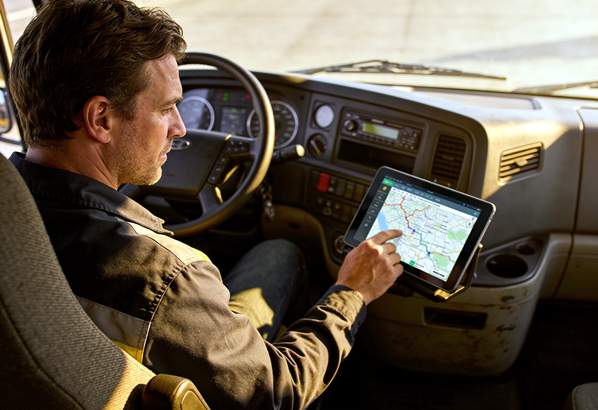
When delivery routes are messy, customers feel the pain. Late arrivals, vague updates, missed windows, and support calls all land on their side of the experience. A good route planner fixes more than mileage.
It helps you deliver on promises, not excuses. That is where customer service starts.
What customers really notice during a delivery
Customers rarely care how many stops a driver has. They care whether the delivery fits into their day. No one thinks about stop sequencing, but everyone notices when a promised window slips.
On-time delivery builds trust fast
A delivery window is a promise. Break it once, and the rest of the experience starts to wobble. A route planner keeps stops in the right order, accounts for traffic patterns, and cuts the backtracking that pushes drivers behind. It also keeps the last few stops from becoming a scramble, which is when mistakes pile up.
Speed matters, but consistency matters more. If customers can count on your timing, they stop hovering by the door and start trusting your brand. PwC found that 32% of customers will stop doing business with a brand they love after one bad experience. A late or missed delivery can easily become that one bad experience.
Accurate ETAs make customers feel informed
People are more patient when they know what is happening. They get frustrated when the delivery says “arriving soon” for an hour.
Route planning improves ETAs because the estimate comes from real stop order, travel time, and current road conditions. That gives customers a narrower window and a better sense of when to be ready. It matters to parents, office managers, and anyone trying to time lunch, school pickup, or a meeting. It also cuts those “Where is my order?” calls that eat up support time.
A smoother delivery day feels more professional
Customers can tell when a delivery operation is organized. They feel it in the small things, clear arrival windows, fewer reschedules, and orders that land at the right address on the first try.
Planned routes reduce the chaos that creates mix-ups. Drivers are less rushed, dispatchers are less reactive, and the customer gets a calmer experience. A calm delivery feels like a business that has its act together. That impression sticks.
How a route planner improves the delivery experience behind the scenes
The customer only sees the last mile. Your team lives through everything before it. That is where route planning does some of its best work.
It helps drivers make fewer mistakes and faster decisions
A driver should not have to solve a puzzle at every stop. Turn-by-turn guidance, sensible stop sequencing, traffic-aware routes, and delivery notes remove a lot of guesswork.
That matters more than it sounds. Even experienced drivers lose time when they are flipping between messages, maps, and paper notes. Fewer wrong turns mean fewer delays. Fewer last-second decisions mean less stress and less rushed driving. When drivers know where to go next and what each stop needs, deliveries get more accurate.
It makes it easier to handle traffic, delays, and same-day changes
No delivery day stays perfect for long. Roads close. Weather changes. A high-priority order appears at noon and needs to be there by two.
A route planner lets teams adjust without blowing up the whole day. Dispatch can reroute one driver, rebalance a few stops, and send updated ETAs before customers start wondering what happened. That keeps a surprise delay from turning into a broken promise. When plans change, good service depends on how fast you can recover.
It gives managers a clearer view of what is happening
Managers need more than end-of-day reports. They need to know which driver is running late, which stop is at risk, and where a small delay could turn into a customer complaint.
That visibility helps teams step in early. They can call ahead, update the customer, or shift a stop before the problem grows. McKinsey has reported that AI-enabled supply-chain management can reduce logistics costs by 15%. Better route planning is part of that story because it turns live information into better decisions, not last-minute damage control.
Why route planning supports stronger customer relationships and growth
A route planner is not only about getting more done in a day. It’s also about making customers feel they chose the right business in the first place.
Better service leads to more repeat orders
People come back to businesses they trust. If your delivery arrives when promised and the updates make sense, ordering again feels easy.
That repeat behavior is built on confidence. Customers remember the order that arrived with no chasing, no confusion, and no need to call support. Over time, reliable delivery becomes part of your reputation, and reputation drives repeat sales.
Fewer service problems mean less time spent fixing them
Every missed stop creates extra work. Someone has to answer the phone, explain the delay, arrange redelivery, or approve a refund.
Route planning cuts many of those avoidable problems before they happen. That means less time apologizing and more time helping customers with real needs. It also protects margins, because redoing a delivery costs money, time, and goodwill.
It helps small teams act like bigger, more polished brands
A small delivery team can still look sharp. When routes are planned well, customers see tighter windows, clearer updates, and drivers who seem prepared.
That kind of consistency shapes how people judge your business. Salesforce has reported that 80% of customers say the experience a company provides is as important as its products and services. Even if you run a lean operation, organized delivery makes the whole company feel stronger.
A Route Planner is part of service
A route planner is not a nice extra sitting in the background. It is part of customer service. Better routes lead to better promises, clearer communication, fewer mistakes, and a delivery experience people can trust. When customers remember how easy it was to get their order, they remember your business for the right reason.