
John Tschohl of the Service Quality Institute explains why reducing friction—making it faster and easier for customers to do business with you—is essential to building loyalty and growing sales.
Jeff Bezos said, “Reduce the Friction if you want more of something.”
Amazon makes it easy to buy something on its website. It takes only seconds. We can all learn from Amazon, one of the most successful companies on the planet.
Too many firms make it almost impossible to buy their products and services. It’s just too much work.
I visit Colorado often to see my son and daughter-in-law and, most importantly, my two granddaughters, who are 5 years old and 4 months old. They live in Estes Park, a town of about 6,000 near Rocky Mountain National Park. Estes Park Shuttle provides the only direct shuttle service from the Denver airport to Estes Park, a major tourist destination about 80 miles away.
I find it difficult to book a ride on the shuttle’s website. The process is too complicated. The company no longer accepts reservations or payments over the phone because some customers disputed their charges. By making it harder to book, the company risks losing riders and revenue.
The shuttle also charges a fee for using a credit card, its only accepted payment method. I find it easier and faster to use Uber or Lyft, and I pay only about $10 more. Over a 30-day period, an estimated 15% to 17.3% of U.S. adults used Uber or Lyft. Uber has 63.3 million users in the U.S. Both companies have reduced friction by making it possible to see the price upfront and book a ride in seconds.
Customers value speed and convenience. Chewy.com is another example of a company that reduces friction. Call 800-672-4399 any time, day or night, and a person answers on the first ring.
I own several timeshares in Vail, Colorado, and use RCI to bank my points. RCI, or Resort Condominiums International, is the world’s largest timeshare exchange network. RCI is closed on Sundays. I would expect Saturday and Sunday to be the busiest days for people planning personal travel. Closing on Sundays makes it harder for customers to get help when they need it.
In my Proven Process for Driving a Service Culture, I share nine principles for creating a service culture. “Reduce the Friction” is the second principle. In my book Relentless, I discuss Amazon and Chewy.com. Organizations that build their brands around the customer experience can increase the value of their businesses by 300% to 1,000%. I believe it’s the most powerful way to increase sales and gain a 20-year lead over your competition.
What are you doing to reduce friction in your business?
Speed
To me, speed means finding ways to cut the time it takes to get things done by 90%. Amazon has mastered speed. Once you get used to that kind of speed, it’s hard to go back. Too many firms move slowly. In many developing countries, speed can be especially hard to come by. Speed is one of the nine principles for creating a service culture. Think about the competitive advantage of getting things done in one-tenth the time it takes your competitors.
About the Author
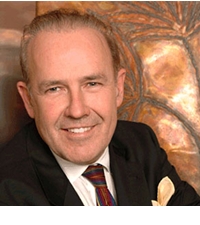 John Tschohl is the founder and president of the Service Quality Institute—the global leader in customer service—with operations in more than 40 countries. He is considered one of the world’s foremost authorities on all aspects of customer service and has developed 17 customer service training programs that are used by companies throughout the world. His monthly strategic newsletter is available online at no charge.
For more information on John Tschohl and the Service Quality Institute, visit www.customer-service.com.
Related Articles:

Black Friday Is Won or Lost at the Returns Page, Warns SEKO Logistics

Complaints About Automated Nuisance Calls Nearly Triple – Why a Human Answer Matters

How to Make Automated Customer Experience More Human

Social Media Standards for Customer Service Managers

Saying “I’m Sorry” Isn’t Enough: The Real Secret to Keeping Customers