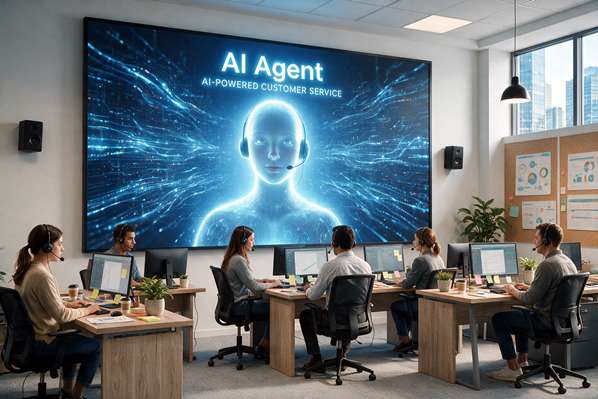
The contact center industry is facing a retention crisis, with nearly one-third of agents considering an exit in the near future.
According to the State of Agent Experience 2026 report released by Verint, 31% of surveyed agents indicated they are likely to leave their current roles within the next six months, citing a lack of progress in workplace experience.
Despite the industry-wide push toward digital transformation, the report suggests that many agents remain bogged down by high volumes of manual, repetitive tasks and a deteriorating work-life balance. The findings, based on a survey of 1,000 contact center professionals, indicate that while AI and automation have been top-of-mind for leadership, the benefits have yet to fully reach the frontline worker.
The research highlights a shift in how AI must be deployed to be effective. Rather than focusing solely on customer-facing bots, the report argues that the most meaningful impact comes from applying AI directly to agent workflows. This includes automating routine administrative duties, providing real-time guidance during complex calls, and streamlining access to internal knowledge bases. The data suggests that for contact centers to stabilize their workforce, they must move beyond experimental AI pilots and focus on delivering measurable improvements to the daily lives of their staff.
Key Report Findings
- Agents’ Jobs Are Growing More Complex: 94% of agents see AI changing their roles within three years, with 61% expecting to handle more complex and technical work as a result. Already, nearly half (49%) work across multiple channels.
- Manual Tasks Consume Agent Time: Agents report spending significant time on monotonous, repetitive tasks that could be automated. In 45% of calls, agents spend an average of three minutes searching for answers – time better spent on activities requiring empathy, judgment and creative thinking.
- Agent Experience Is Imperative: Nine out of ten agents say schedule flexibility is important when choosing a job, making the adoption of intelligent scheduling and AI-powered workforce management crucial.
Anna Convery, chief marketing officer at Verint, commented:
“The future contact center isn’t humans or AI. It’s humans with AI – working together to deliver efficiency and empathy at scale. Enterprises must proactively build AI-augmented contact centers. If not, they may suffer a staggering opportunity cost from agent overwhelm and churn.”
As we move forward, the competitive advantage in the CX space will likely belong to organizations that prioritize Agent Experience (AX) as a prerequisite for Customer Experience (CX). By integrating AI-driven co-pilots into the agent desktop, firms can reduce the cognitive load on staff, potentially stemming the tide of agent churn in the contact center and ensuring that human empathy remains available for the moments that matter most.
Related Articles:

Robert Downey Jr. Joins SPECS as Honorary Chief Customer Experience Officer

Microsoft Brings AI Agents and Analytics to Existing Contact Centers

Study Reveals How Customer Service Shapes AI Retail Recommendations

21X and Flightbridge Develop AI Concierge for Private Aviation

How Field Service Teams Are Using Mobile Tools and Automation